Discover Freedom: Buy Undeveloped Land for Adventure
Undeveloped Land, Recreational Land, Outdoor Adventures, Family Camping
Why More People Are Buying Undeveloped Land for Outdoor Fun and Freedom
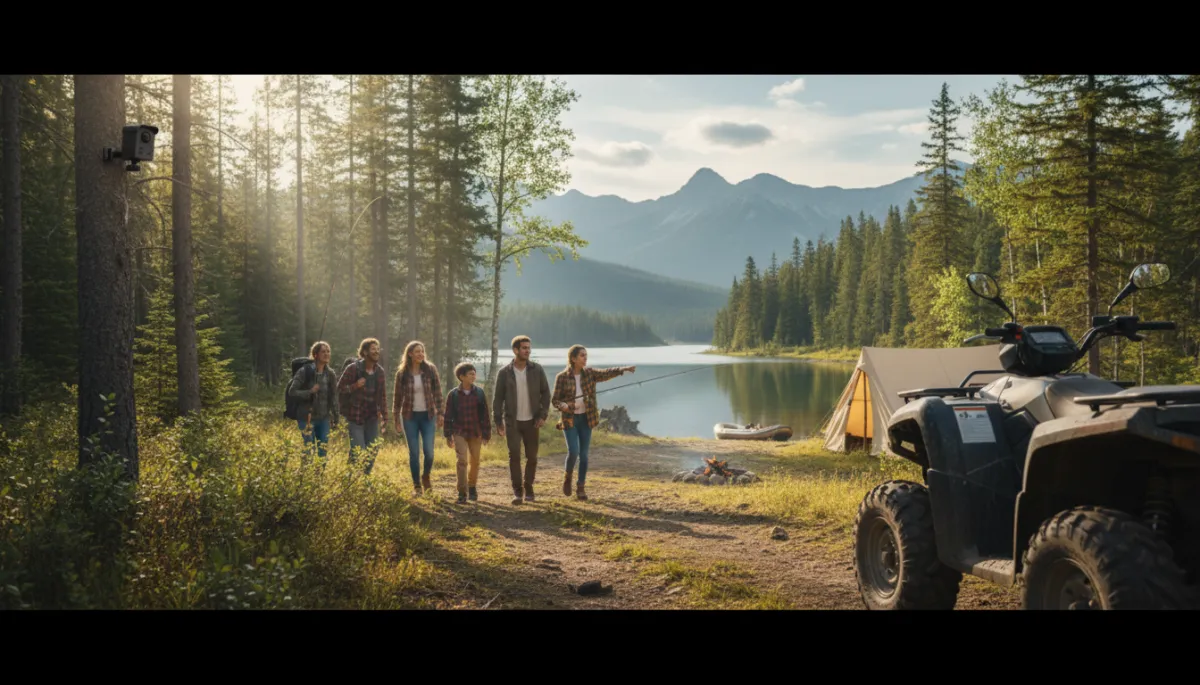
From ATV riding and hunting to fishing, hiking, and family camping, owning your own piece of undeveloped land is becoming one of the most appealing ways to unplug, explore, and build lasting memories outdoors.
The Rising Appeal of Owning Undeveloped Land for Recreation
In a world that feels busier and more connected than ever, many people are quietly searching for the opposite: space, privacy, and freedom. That’s a big reason why interest in undeveloped land and recreational land has surged in recent years. Instead of booking crowded campgrounds or competing for a spot at popular parks, more individuals and families are choosing to buy their own retreat—raw land where they can shape their own version of the perfect weekend escape.
Unlike a traditional home purchase, recreational land is often about lifestyle first and investment second. Owners aren’t just acquiring acres; they’re buying the ability to ride ATVs without worrying about posted signs, to hunt and fish on their own schedule, to hike until sunset, and to host spontaneous outdoor adventures with friends and family. For many, this mix of recreation, potential long-term value, and emotional satisfaction is hard to beat.
📌 Key Takeaway: Recreational land offers something most modern lifestyles lack—room to breathe, play, and disconnect on your own terms.
Undeveloped Land: A Blank Canvas for Your Outdoor Lifestyle
One of the biggest attractions of undeveloped land is that it’s a true blank slate. There’s no existing house to remodel, no landscaping to undo, and no previous owner’s taste to work around. You decide how the land gets used—and how wild or organized it remains. Some buyers keep their property almost completely natural, adding only a simple fire ring and a rough campsite. Others gradually improve their recreational land with gravel driveways, small storage sheds, primitive cabins, or RV pads for more comfortable family camping.
Because you’re not paying for finished structures, undeveloped parcels can often be more affordable than a home or cabin in the same region. That lower entry price allows many people to buy more acreage than they ever imagined—enough room for ATV trails, multiple hunting spots, or a quiet fishing pond tucked away from the main campsite. Over time, you can shape the land to match your favorite outdoor adventures, adding improvements as your budget and needs evolve.
ATV Riding: Build Your Own Private Trail System
For ATV and side-by-side enthusiasts, owning recreational land can feel like winning the lottery. Instead of towing machines to crowded public trailheads or worrying about changing rules, you can create your own network of trails right on your property. Gentle loops for kids, hill climbs for more experienced riders, and scenic routes around fields or along ridgelines all become possible when you control the land beneath your tires.
Responsible trail design can also protect your investment. By planning routes that avoid sensitive areas, controlling erosion with proper drainage, and keeping machines away from creeks or wetlands, you can enjoy high-adrenaline outdoor adventures while preserving the natural beauty of your property. Many owners find that trail work—cutting brush, grading paths, and adding signage—becomes a fun weekend project that brings friends and family together just as much as the rides themselves.
💡 Pro Tip: Consider mapping your ATV trails with a GPS app so guests can explore safely without getting lost on larger parcels.
Hunting: A Personal Place to Manage Wildlife and Traditions
For many buyers, the dream of owning undeveloped land starts with hunting. Having your own property means you can scout when you want, set up stands where you like, and manage pressure on the local wildlife. Instead of hoping your favorite public-land spot is open each season, you can build a long-term plan for deer, turkey, or upland birds on your own acres. Over time, careful habitat improvements—like planting food plots, creating bedding cover, or protecting travel corridors—can significantly improve your success and the quality of your hunts.
Just as important, private recreational land creates a safe, controlled environment to introduce kids and new hunters to the sport. You set the rules about where people can walk, when they can shoot, and how game is handled. This control helps build responsible habits and gives everyone peace of mind. Many families find that annual traditions—opening day breakfasts, youth hunts, and late-season campfires—become just as meaningful as filling the freezer.
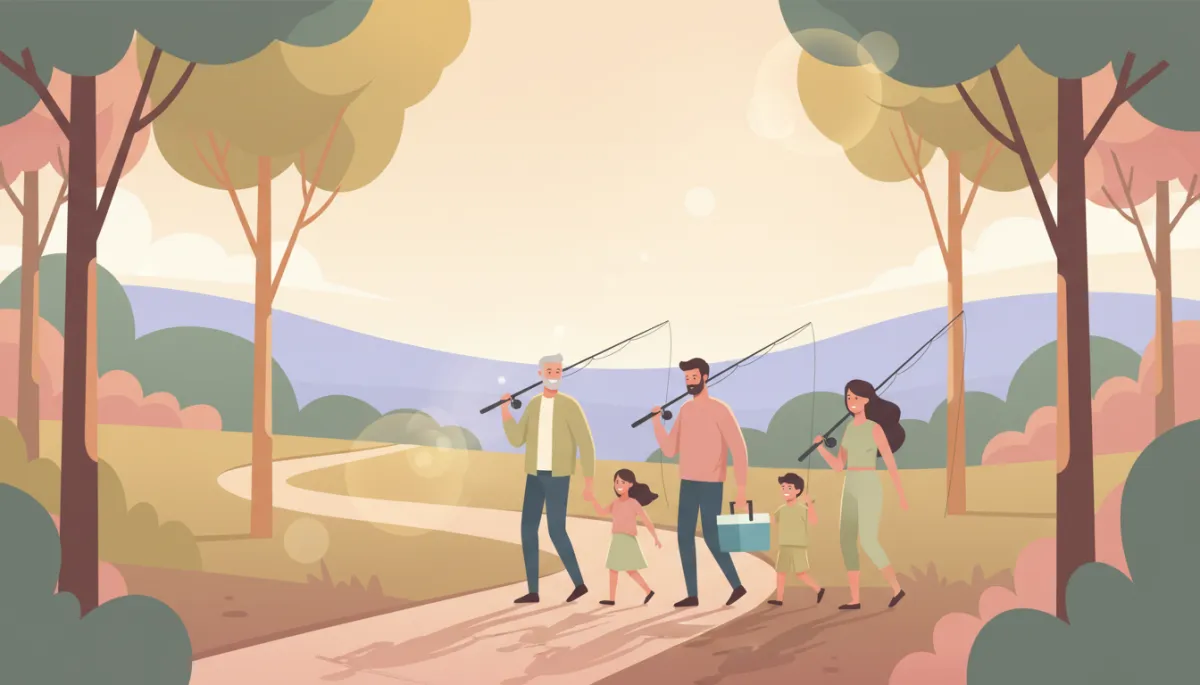
Private recreational land turns simple walks to the pond into cherished family rituals.
Fishing: Quiet Water, No Crowds, and Room to Explore
If your dream weekend includes a rod, reel, and a peaceful shoreline, owning recreational land with water access can be especially rewarding. Some properties come with existing ponds, creeks, or river frontage, while others offer the potential to build a small pond over time. Either way, having your own spot to fish means no waiting for a dock to open, no competing for bank space, and no rush to leave before the park closes.
For families, private fishing holes are a gentle introduction to outdoor adventures. Kids can learn at their own pace, practice casting without pressure, and celebrate every bluegill or bass as a big win. Adults, meanwhile, get a quiet escape where the only schedule is sunrise and sunset. Over time, many owners enhance their water features with better habitat, improved access paths, or small docks that make both fishing and family camping more enjoyable.
Hiking and Exploring: Everyday Adventures Right Outside Your Tent
Not every adventure needs a motor or a tag. Many owners buy undeveloped land simply for the chance to wander. On a wooded parcel, you might follow game trails, discover seasonal creeks, or climb to a high point for sunset views. On more open land, you can create loop trails around fields, through meadows, and along fence lines, turning a simple walk into a daily ritual of exploration and exercise. If owning rural land for recreation, camping, or future investment is something you've been considering, there are a variety of undeveloped land opportunities available across the country.
Hiking on your own recreational land also deepens your connection to the property itself. You’ll learn where the deer bed, where wildflowers bloom first in spring, and which corners stay cool on hot summer afternoons. This familiarity makes each visit feel more like coming home than going on a trip. For families, casual hikes become an easy way to get kids moving, away from screens, and curious about the natural world that surrounds them.
📌 Key Takeaway: Simple activities like walking, birdwatching, and stargazing often become the most treasured memories on recreational land.
Family Camping and Outdoor Adventures with Friends
While specific activities like ATV riding, hunting, fishing, and hiking each have their own appeal, the real magic of owning recreational land often lies in what happens when everyone gathers together. A simple clearing can become the heart of your property—home to family camping trips, birthday cookouts, and spontaneous weekends with friends. Because you own the land, there’s no need for reservations, no check-in times, and no quiet hours beyond the ones you set yourself.
Over time, you might add small comforts that make these gatherings even better: a level pad for an RV, a picnic shelter, solar lights along the path to the tent area, or a simple outhouse for convenience. None of these improvements need to be expensive, and you can tackle them at your own pace. What matters most is the feeling your land creates—a private basecamp where outdoor adventures with friends and family become a regular part of life instead of a once-a-year event.
Beyond Recreation: Peace of Mind and Long-Term Potential
While fun is usually the main motivation, owning undeveloped land can also offer a sense of security and long-term possibility. Land is a finite resource, and many buyers appreciate having a tangible asset they can see, walk, and enjoy. Some eventually decide to build a cabin or full-time home on their recreational land, while others keep it purely for play and potential future resale. Either way, the years of memories created through ATV rides, hunts, fishing trips, hikes, and family camping often become the most valuable return on the investment.
Of course, buying land still requires thoughtful research—understanding access, zoning, utilities, and local regulations. But once you find the right fit, the rewards can be profound. Instead of asking “Where should we go this weekend?” you’ll have a simple answer ready: “Let’s head out to our place.”
Is Recreational Land Right for You?
If you find yourself daydreaming about more time outdoors, fewer crowds, and the freedom to shape your own adventures, exploring undeveloped land options might be worth your attention. Think about how you and your loved ones like to spend time now—and how you’d like to spend it in the future. Whether it’s ATV riding at sunrise, a quiet evening in a deer stand, teaching a child to fish, wandering forest trails, or gathering around a fire for family camping, owning your own recreational land can turn those moments from rare treats into regular parts of your life.
In the end, that’s what’s driving the growing appeal of recreational property. It’s not just about acres or boundaries on a map. It’s about having a personal place in the world where outdoor adventures are always waiting—no reservations required, no crowds to navigate, just you, your land, and the people you most want to share it with.