Create a Family Legacy on Undeveloped Land
Undeveloped Land, Family Legacy, Generational Property, Outdoor Environments
From Wild Acres to Heirloom Haven: Creating a Family Legacy on Undeveloped Land
Turning raw, undeveloped land into a place where your children and grandchildren can gather, explore, and feel deeply rooted is one of the most meaningful projects you can undertake. With vision, patience, and respect for the natural landscape, you can shape a generational property that tells your family’s story for decades to come.
Why Undeveloped Land Is the Perfect Canvas for a Family Legacy
A piece of undeveloped land is more than empty space on a map. It is a blank canvas where a family legacy can take shape in physical form. Unlike a finished home that comes with someone else’s choices, raw acreage invites you to imagine: where the first cabin might sit, how a trail could wind through the trees, where a future firepit will glow on summer nights. Every decision you make becomes part of a story your family will remember and retell.
For individuals seeking a generational property, undeveloped land offers three powerful advantages. First, it lets you build slowly, aligning each phase with your resources and your family’s changing needs. Second, it invites creativity in shaping outdoor environments that reflect your values—whether that’s conservation, adventure, or quiet retreat. Third, it encourages your children and grandchildren to feel a sense of ownership, not just of a house, but of fields, woods, and water that they’ve watched evolve over time.
Start with the Land’s Story Before You Write Your Own
Before sketching floor plans or dreaming up rustic pavilions, spend time simply walking your undeveloped land. Visit at different times of day and in different seasons. Notice how the light moves, where the ground stays dry after rain, which spots feel sheltered or exposed. These observations will guide every decision you make about your future family property and help you work with the land, not against it.
Identify natural gathering places. Look for gentle knolls, clearings among trees, or rock outcrops with a view. These are ideal locations for future patios, pavilions, or fire circles where generations can come together.
Respect water and wildlife. Creeks, ponds, and wetlands are magnets for children and wildlife alike. Plan trails and structures to protect these sensitive areas while still allowing safe access and exploration.
Map views and prevailing winds. A future porch facing sunrise or sunset can become a cherished ritual space. Positioning structures to catch breezes in summer and shelter from winter winds makes the property comfortable year-round.
💡 Pro Tip: Bring a notebook or digital map on each walk and mark “favorite spots.” Over time, patterns will emerge that naturally suggest where to place cabins, gardens, or shared outdoor environments.
Designing a Generational Property in Thoughtful Phases
Creating a long-lasting family legacy on undeveloped land doesn’t have to happen all at once. In fact, phasing the project can make the process more affordable, more intentional, and more meaningful. Each phase becomes a chapter in the story your family builds together.
Phase 1: Access, Safety, and Simple Comforts
Start with essentials that allow you to spend time on the land right away. This might include a gravel drive, a small parking area, basic utilities, and a cleared space for tents or a modest camper. A simple fire ring, a picnic table, and a secure storage shed can turn occasional visits into regular weekends. At this stage, the focus is on making the property usable and safe while keeping the natural character intact.
Phase 2: A First Structure that Sets the Tone
The first permanent structure on your generational property carries symbolic weight. It might be a small cabin, a barn with a loft, or an open-sided pavilion that frames the landscape. Keep it modest, flexible, and durable. Prioritize a welcoming porch, generous windows to capture views, and materials that harmonize with the surrounding outdoor environment. This becomes the anchor point where family photos are taken, stories are told, and traditions begin.
Phase 3: Shared Outdoor Environments for Every Generation
As your family spends more time on the land, you’ll discover the activities that bring everyone together. Use these insights to shape outdoor environments that invite connection and play. Consider a swimming pond with a small dock, a meadow for games and weddings, a network of walking trails, or a simple outdoor kitchen near the main gathering area. The goal is to create spaces where toddlers, teens, parents, and grandparents all feel at home and engaged.
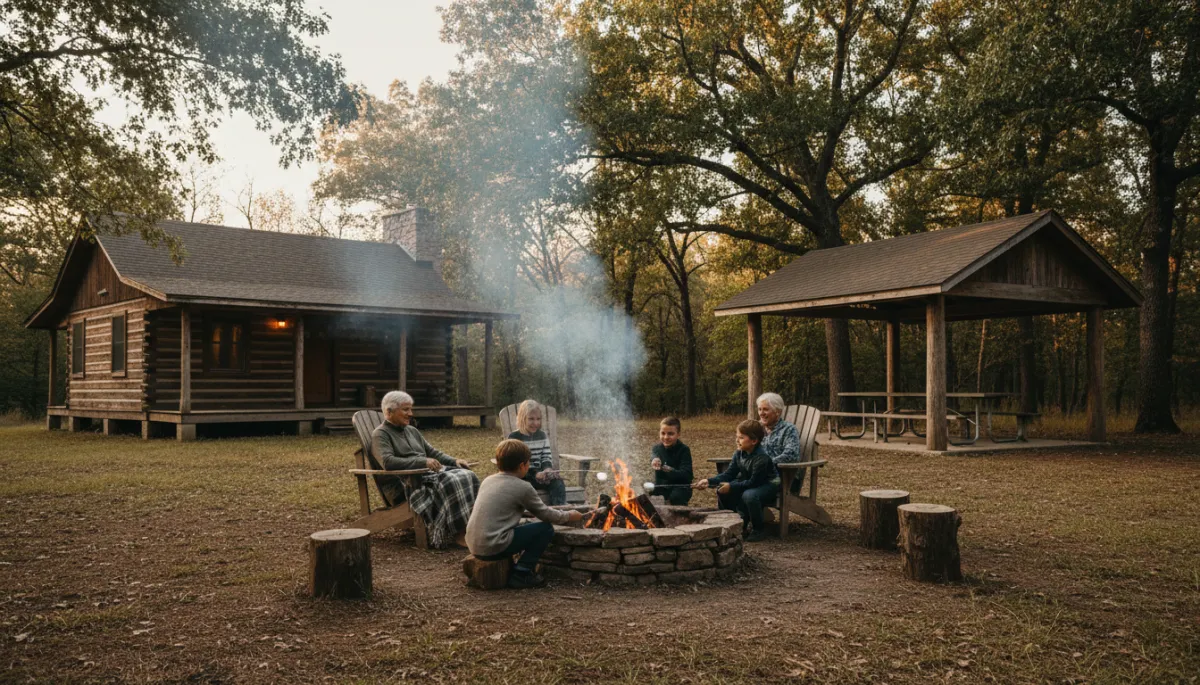
Simple shared spaces—like a firepit and pavilion—often become the heart of a generational property.
Involving Children and Grandchildren in Shaping the Land
A true family legacy is not something you hand down fully finished; it is something you invite others to build alongside you. From the earliest stages, include children and grandchildren in age-appropriate ways. Ask them where they’d like to pitch tents, what kind of treehouse they imagine, or which path feels the most magical through the woods. Their ideas may be simple, but they anchor powerful memories of being heard and included.
Let younger kids help plant a “cousins’ grove” of trees, each labeled with their names and planting dates.
Invite teens to design trail markers, build benches, or create a map of the property for new visitors.
Ask adult children to help plan long-term projects, from additional cabins to conservation areas or gardens.
When multiple generations leave their fingerprints on the land—literally and figuratively—they feel a deeper responsibility to care for it. The property becomes more than a weekend destination; it becomes a living symbol of shared effort, shared values, and shared joy.
Balancing Comfort, Conservation, and Character
As you transform undeveloped land into a long-term family retreat, you’ll face countless choices about what to build, what to leave wild, and how to balance convenience with character. A thoughtful family legacy usually grows from three guiding principles: comfort, conservation, and authenticity.
Comfort: Reliable access, safe water, sanitary facilities, and weather-appropriate shelter make it realistic for all ages to visit often. When trips are comfortable, the property becomes a natural choice for holidays and milestones.
Conservation: Protecting mature trees, preserving wildlife corridors, and managing erosion ensure that your outdoor environments remain healthy and beautiful for future generations. Consider setting aside a portion of the land as a no-build conservation zone.
Character: Use local materials, honor regional building traditions, and highlight the land’s natural features rather than hiding them. Over time, these choices give the generational property a sense of place that feels unmistakably “yours.”
📌 Key Takeaway: The most inspiring family legacies grow gently, adding comfort while preserving the wild beauty that first drew you to the land.
Planning for Generations: Legal, Financial, and Emotional Stewardship
A beautiful cabin and well-tended trails are only part of a true family legacy. To ensure your generational property remains intact and cherished, you’ll also need a plan for ownership, maintenance, and decision-making that extends beyond your lifetime. This is where practical planning supports the emotional heart of the project.
Work with an estate planning professional to choose the right structure—such as a trust, family LLC, or shared ownership agreement—that fits your goals and family dynamics.
Create a simple written “family charter” that captures your hopes for the land, how it should be used, and how major decisions will be made.
Establish a maintenance plan and shared budget for repairs, improvements, and conservation efforts so that costs are predictable and fair.
These steps may not be as romantic as planting an orchard or building a dock, but they are essential to protecting the family legacy you are creating on your undeveloped land. When expectations are clear, your children and grandchildren are free to simply enjoy the place and each other.
Beginning Your Own Story on the Land
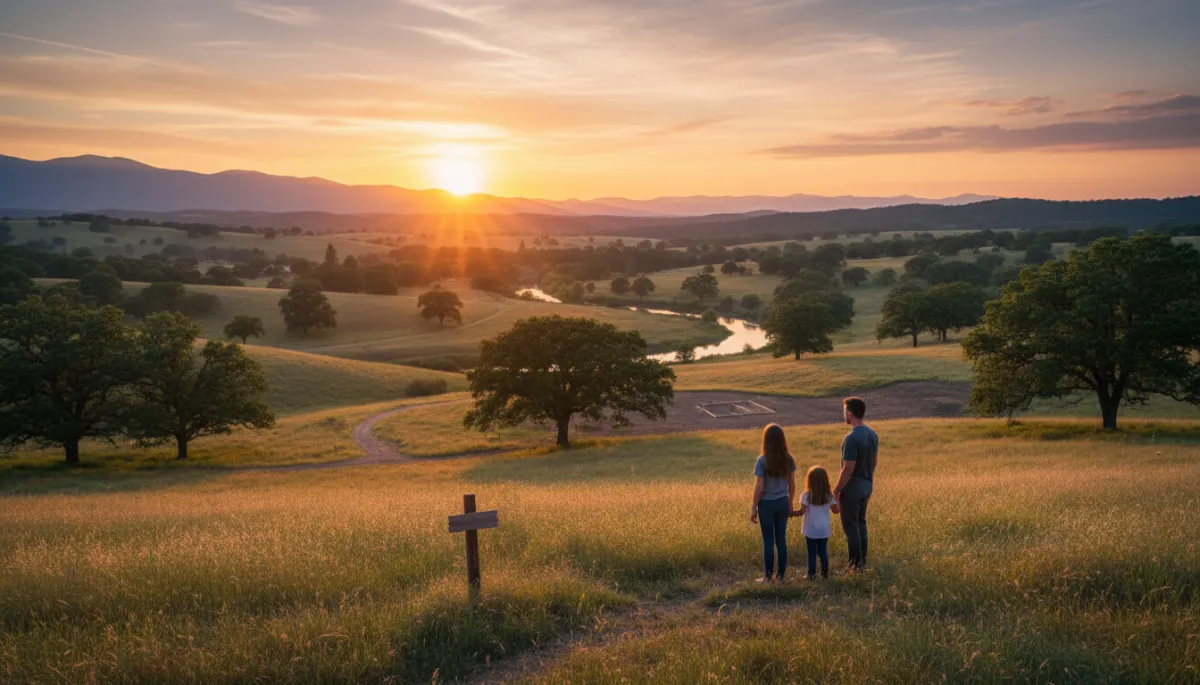
Standing on a quiet hillside, in a meadow of tall grass, or beside a still pond, it can be hard to imagine how this raw acreage will one day become the backdrop for family reunions, first swims, wedding toasts, and quiet retirements. Yet every inspiring generational property began exactly this way: with someone willing to see beyond what is, into what could be. If you ever thought about owning your own recreational or rural retreat property, exploring undeveloped land listings can be a great place to start.
As you consider your own undeveloped land, start small but think long. Walk the property and listen to it. Invite your family into the dreaming process. Sketch a phased plan that respects the landscape while adding the comforts that make regular visits possible. Protect the land with thoughtful stewardship, and protect your family’s future with clear agreements.
Over time, you’ll watch the transformation: a rough drive becomes a familiar lane, a clearing becomes the place where cousins play tag, a simple cabin becomes the setting of countless stories. What was once just undeveloped land evolves into something far richer—a living, breathing expression of your family legacy, rooted in the soil and stretching forward into generations yet to come.